


Introduction
Over the past year, the internet has become fascinated with a new kind of remix culture. Instead of traditional covers, people are now creating full AI recreations of iconic tracks, giving classic songs a completely new digital life. One of the biggest examples of this shift is the growing hype around ai 50 cent many men, a trend that has taken over social platforms, music forums, and even mainstream conversations.
AI generated music has evolved far beyond simple robotic voices. Modern tools can capture tone, emotion, and flow so accurately that fans are shocked at how realistic these recreations sound. And in the middle of this movement stands Many Men, one of 50 Cent’s most powerful songs, now resurfacing as creators experiment with many men ai versions, alternative voices, and unique reinterpretations powered by machine learning.
As AI covers continue to rise in popularity, they are transforming how people experience music, discover classics, and engage with the culture that surrounds them. The world is not just listening to songs anymore—it’s reimagining them through the lens of artificial intelligence.
What Is the ai 50 cent many men Trend?
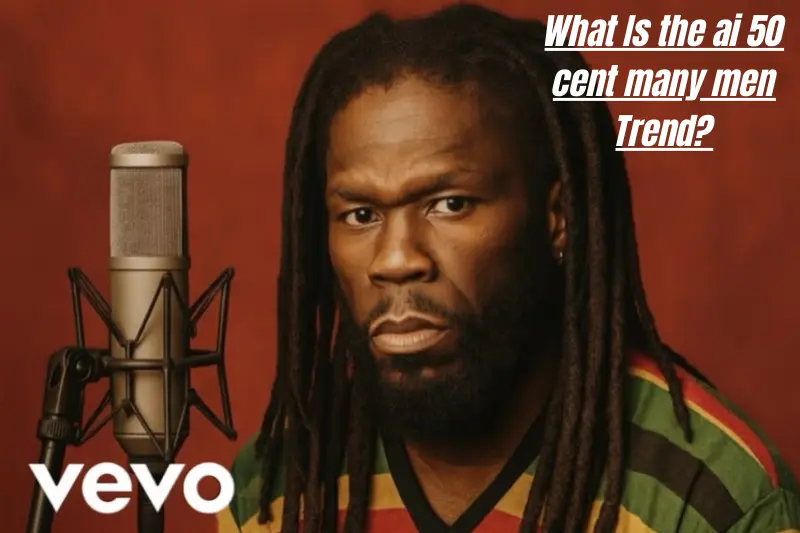
The ai 50 cent many men trend started when creators began experimenting with voice models trained to sound like 50 Cent, using them to recreate his classic track Many Men. What began as a small experiment quickly turned into a viral wave as people noticed how closely AI could match his delivery, cadence, and emotional depth.
In these AI generated versions, the familiar grit in 50 Cent’s voice is replicated with surprising accuracy. Creators use tools that allow the instrumental and vocals to be rebuilt line by line, producing covers that feel both nostalgic and futuristic. As a result, clips labeled many men ai or ai many men started circulating widely on platforms like TikTok, YouTube, and Reddit, each one offering a slightly different twist on the original.
Some versions try to stay faithful to the track, while others remix the lyrics, switch genres, or place the style of Many Men into completely unexpected settings. The trend reflects more than just curiosity—it shows how AI is reshaping modern fan culture, allowing everyday listeners to experiment with music in ways that were once impossible.
Why Many Men Became a Popular Song for AI Remixes

There are thousands of songs people could recreate with AI, so why did Many Men become one of the most remixed tracks in this new wave of digital creativity? The answer comes down to a mix of emotion, storytelling, and cultural impact. Many Men has always held a special place in hip hop because it captures real struggle and vulnerability, something listeners still connect with decades later.
When creators started experimenting with AI tools, they quickly realized that the emotional texture of the song translated incredibly well into machine generated vocals. The raw tone, the heavy storytelling, and the steady flow gave AI models plenty of material to replicate. This made the track a perfect test case for showing how realistic and expressive AI generated music could feel.
Another factor is nostalgia. Fans who grew up with the original track now get to hear new versions that blend modern technology with a classic sound. Even people who accidentally type or search many man instead of Many Men are ending up in the middle of the trend, discovering remixes they didn’t expect.
But beyond nostalgia, the song’s structure itself is ideal for experimentation. Its reflective lyrics, iconic hook, and slow pacing give creators the freedom to reshape the track, switch voices, or explore fresh interpretations. That flexibility is a big reason why Many Men stands out in the world of AI covers and continues to dominate conversations around AI generated rap music.
The Role of AI in Modern Music Creation
AI is becoming one of the most influential tools in the evolution of music, reshaping how songs are produced, reimagined, and shared. What began as simple voice filters has now grown into highly advanced systems capable of analyzing pitch, tone, rhythm, and emotion with remarkable accuracy. This technology is the driving force behind trends like ai 50 cent many men, where AI models recreate vocals that sound almost indistinguishable from the original artist.
Modern AI music tools work by learning from large collections of audio recordings. They study patterns in a voice—how it rises, falls, stretches, and reacts—and then use that information to generate new performances. This allows creators to take classic tracks and rebuild them with fresh energy, something that has fueled the explosion of AI covers across social media.
While the technology is exciting, it has also sparked important conversations about creativity and ethics. Musicians and fans are debating what it means for AI to imitate artists so accurately. Is it a new creative expression, a tribute, or something that needs stricter rules? These questions are shaping the future of music creation, especially as AI continues to blur the lines between human performance and machine generated art.
At the same time, the rise of AI generated music has empowered everyday listeners to become creators. You no longer need access to a studio or professional equipment to experiment with new sounds or reinterpret classic tracks. This accessibility is one of the biggest reasons AI covers are spreading so quickly, redefining what the music landscape can look like.
Unexpected Connection How 1960s Rap Influences Modern AI Music
At first glance, the idea of linking 1960s rap to modern AI generated music might seem strange. After all, rap as we know it didn’t formally emerge until the 1970s. But the roots of rap stretch much deeper, and many of the styles and vocal traditions from the 1960s quietly helped shape what the genre would eventually become. These early influences are now resurfacing as AI tools study vocal patterns, rhythms, and storytelling techniques to generate new interpretations of classic tracks.
During the 1960s, spoken word poetry, rhythmic storytelling, and expressive vocal delivery were gaining popularity through soul artists, civil rights leaders, and street performers. These forms of expression carried the same raw emotion and rhythmic cadence that modern rap artists bring to their music. When AI models learn from older recordings, they absorb not just the sound but the energy and phrasing that defined that era.
This unexpected blend becomes especially clear when creators use AI to reimagine songs like Many Men. While the track belongs to a completely different time period, the emotional intensity and narrative style share similarities with the spoken word performances of the 1960s. As a result, the ai 50 cent many men trend feels connected to a larger historical evolution, even if unintentionally.
What makes this connection so fascinating is how AI bridges decades of musical history. By learning patterns from multiple eras, AI generated covers sometimes carry hints of older influences without the creator even realizing it. This adds a unique depth to the many men ai remixes circulating online and reveals how technology can revive the spirit of past generations in a completely new form.
The Rise of the 50 cent Cover Culture in AI Communities
As AI tools became more accessible, a new subculture began forming around recreating and reimagining the voices of legendary artists. Among all the trends emerging from this movement, the 50 cent cover phenomenon has grown into one of the most active and creative spaces within AI music communities. Fans are not only recreating classic tracks like Many Men but also experimenting with voice models to produce entirely new interpretations that feel both nostalgic and innovative.
The appeal is easy to understand. 50 Cent’s voice has always had a distinct presence — gritty, steady, and instantly recognizable. When creators realized that AI could capture those qualities, they started exploring how far the technology could go. Soon, the internet was filled with AI versions of not just Many Men but other well known 50 Cent songs, each one showcasing a different flavor of creativity.
Some AI covers stay faithful to the original recording, mirroring every cadence and tone. Others take bold creative turns, blending different genres, adding new flows, or pairing 50 Cent’s voice with instrumentals he never recorded over. What makes this trend stand out is the way it has inspired people who may not have any musical background to participate. Anyone with curiosity and a bit of time can now generate their own ai 50 cent many men style remix and share it with an audience.
This culture has also sparked discussions about artistic tribute versus originality. Many listeners see these covers as a form of appreciation — a modern way of celebrating one of hip hop’s most influential voices. Others view them as experimental art, a way to explore what might have been if certain songs or collaborations existed. Regardless of the angle, the 50 cent cover movement has cemented itself as an important part of the evolving relationship between music and technology.
Benefits and Concerns of AI Generated Music
The explosion of AI generated music has opened the door to a new era of creativity. On one hand, it gives people the ability to experiment with sound in ways that were impossible even a few years ago. On the other hand, it raises important questions about ownership, authenticity, and the future of human artistry. This balance of opportunity and caution plays a major role in conversations surrounding trends like ai 50 cent many men and other AI driven cover culture moments.
Benefits
One of the biggest advantages of AI music tools is accessibility. You no longer need a recording studio, expensive equipment, or years of experience to create something meaningful. AI allows everyday listeners to reimagine tracks, blend genres, or test new ideas without barriers. This democratization of creativity is a large reason why many men ai versions have taken off — anyone can participate.
AI also encourages artistic exploration. Creators can hear how a song might sound in a different style, with a different voice, or with fresh vocal interpretations. This kind of experimentation can inspire new music, new trends, and new creative possibilities that extend far beyond traditional remix culture.
Concerns
At the same time, AI generated music brings legitimate concerns to the surface. Voice cloning raises questions about permission and control. Artists may not want their voices used without consent, even if the final creation is meant as a tribute. As AI tools become more advanced, the line between inspiration and unauthorized replication becomes harder to define.
There are also concerns about originality. If technology can recreate a voice perfectly, what does that mean for future musicians trying to build their own sound? How do we protect artistic identity in a world where anyone can generate a 50 cent cover that sounds real?
Another challenge is the legal landscape. Copyright rules have not fully caught up with the pace of AI development, leaving creators, platforms, and listeners in a gray area. These gaps highlight the need for clearer guidelines that protect both creativity and artist rights.
How AI Is Changing the Future of Music Discovery
AI is not just reshaping how music is created — it is completely transforming how people discover and experience songs. The popularity of trends like ai 50 cent many men shows how technology can breathe new life into older tracks, sending them back into the spotlight for a new generation of listeners.
Music discovery used to be driven by radio, playlists, or recommendations from friends. Today, AI remixes and covers often go viral before the original track does. Someone might hear a many men ai version on social media and then go back to listen to the real song, sparking renewed interest in classic albums. This cycle is becoming more common as AI continues to blend nostalgia with innovation.
AI powered algorithms are also learning listeners’ preferences faster than ever. Instead of traditional playlists, music recommendations are now shaped by patterns, moods, and listening behavior that AI analyzes in real time. As a result, fans are discovering songs and artists they might never have stumbled upon before.
Another important shift is the rise of user generated content. Fans are no longer passive listeners — they actively participate in shaping trends. AI covers, mashups, and creative reinterpretations spread rapidly across platforms, influencing what the wider community pays attention to. This dynamic gives older tracks new momentum and allows underground songs to gain sudden exposure.
For artists and producers, this evolution brings both challenges and opportunities. On one hand, AI can help revive catalog songs, reach new audiences, and inspire fresh collaborations. On the other, the speed at which content spreads makes it harder to predict which versions will take off or how they will affect the original work.
Ultimately, AI is expanding the musical universe. It is creating pathways for discovery that blend human creativity, machine intelligence, and cultural memory — a combination that will continue shaping the way we listen for years to come.
Expert Insights and Real World Experiences
To truly understand the impact of AI generated music, it helps to hear from experts and creators who are navigating this evolving landscape. Music producers, AI researchers, and even long-time fans of 50 Cent have weighed in on trends like ai 50 cent many men, offering insights into both the technology and its cultural significance.
Producers note that AI is no longer just a novelty—it’s a tool that can accelerate creativity. According to several industry insiders, AI allows experimentation at a pace that traditional recording cannot match. By generating vocal replicas, experimenting with arrangements, and testing new sounds, creators can explore ideas in minutes that once would have taken days in a studio.
Fans also contribute valuable perspectives. Many have shared their reactions online, comparing AI covers of Many Men with the original track. Some are amazed at how realistic the recreations sound, while others appreciate the fresh interpretations that bring nostalgia into the modern digital era. Observing these reactions gives insight into why the trend has resonated so widely: it’s about emotion, connection, and the curiosity to experience music in a new form.
AI researchers emphasize the educational value of these projects. By analyzing how AI recreates vocal patterns, enthusiasts gain a deeper understanding of music theory, rhythm, and lyrical delivery. Even casual listeners can learn subtle details about flow, pitch, and phrasing simply by hearing how AI interprets the original.
Ultimately, these insights underline a critical aspect of the many men ai movement: it is a collaborative space where technology, artistry, and fandom intersect. By highlighting real-world experiences alongside expert opinions, we see that AI covers are more than just digital imitations—they are part of a growing conversation about creativity, culture, and the future of music.
Step by Step How AI Covers Are Actually Made
For many fans, the ai 50 cent many men trend seems almost magical — hearing 50 Cent’s iconic voice recreated by a computer. But behind the scenes, AI covers follow a fascinating process that combines technology, creativity, and careful preparation. Here’s a simplified step-by-step look at how these covers are made:
Collecting Audio Data
The first step involves gathering recordings of the original artist’s voice. For 50 Cent covers, this means sourcing clean vocal tracks from songs like Many Men and other popular hits. These recordings teach the AI model how the voice sounds, including tone, pitch, rhythm, and emotion.
Training the AI Model
Once the data is collected, it is fed into an AI model designed for voice replication. The AI studies patterns in the voice: how words are stressed, how pitch fluctuates, and how emotion is conveyed through delivery. This step allows the AI to learn the nuances that make the artist’s voice unique.
Generating the Cover
After training, creators input lyrics and melodies into the AI system. The AI then produces a vocal performance in the style of the original artist. This is where trends like many men ai and ai many men come to life, producing a version of Many Men that sounds eerily close to 50 Cent’s voice.
Fine-Tuning
Even with advanced AI, creators often adjust the output to improve realism. They might tweak pitch, timing, or expression to make the performance sound more natural. Some producers also experiment with adding new backing tracks or remixing elements to give the cover a fresh twist.
Sharing with the World
Finally, the completed AI cover is shared online. Social media platforms, streaming services, and fan forums help spread the tracks, fueling trends and inspiring others to create their own AI covers. This cycle has contributed to the viral popularity of the 50 cent cover phenomenon.
By breaking down the process, it’s clear that AI covers are not magic—they are the result of careful training, experimentation, and creative input. Understanding how they’re made helps fans appreciate both the technical skill and artistic vision behind these new renditions of classic tracks.
Final Thoughts
The rise of ai 50 cent many men represents more than just a viral trend—it marks a turning point in how we interact with music, nostalgia, and technology. AI has made it possible for fans to reimagine iconic tracks like Many Men, creating new interpretations that honor the original while exploring fresh creative possibilities. From many men ai versions to experimental remixes, this movement highlights the incredible potential of AI in reshaping music culture.
At the same time, the trend invites important discussions about creativity, ethics, and artistry. Questions around copyright, voice replication, and the balance between tribute and originality are now more relevant than ever. By considering both the benefits and the concerns, we gain a clearer picture of how AI is influencing the music industry and fan culture alike.
Ultimately, AI covers are more than digital experiments—they are a bridge between generations of music, connecting past influences like 1960s rap to modern reinterpretations, while inspiring a new wave of creators to explore, experiment, and innovate. Whether you’re a long-time fan of 50 Cent or just discovering Many Men through an AI remix, one thing is clear: the future of music is being redefined in ways we are only beginning to understand.
