

Introduction
In today’s fast-moving digital era, mobile phones have evolved into something far beyond simple communication tools. They have become a personal space where emotions, creativity, habits, and identity come together. From the emojis we choose to the style in which we text, from the selfies we capture to the short videos we share on social media — every small action represents a piece of our mobile expressions. These expressions silently communicate who we are, what we feel, and how we connect with the world around us.
Mobile expressions have changed the way people interact. A single emoji can express what a sentence sometimes cannot, a short video can capture a story within seconds, and a simple voice note can deliver emotions more clearly than long paragraphs. Whether it’s a quick reaction on WhatsApp, a trendy reel on Instagram, a playful Snapchat filter, or a creative TikTok clip, these digital behaviors shape our everyday communication in powerful ways.
What makes mobile expressions truly fascinating is how universal they have become. Children, teenagers, adults, and even older generations now use mobile devices to express themselves in unique and creative ways. This digital evolution has influenced personal relationships, cultural trends, entertainment, education, and even business communication. It has become a global language that everyone understands — regardless of culture or location.
In this article, we will explore the concept of mobile expressions, why they have become an essential part of modern communication, and how they continue to shape our digital behavior, influence our daily lives, and transform the way we connect with each other.
Why Mobile Expressions Are Important
Mobile expressions play a major role in how we communicate and connect in the modern digital world. They make conversations more natural, emotional, and easy to understand. Here’s why they matter:
1. Improve Communication
- Help people express feelings quickly
- Reduce misunderstandings
- Make text conversations more meaningful
- Add tone and clarity to simple messages
2. Express Emotions Easily
- Emojis, GIFs, and stickers show emotions instantly
- A single emoji can replace long sentences
- Helps people share how they feel without overthinking
3. Build Personal Identity
- Your texting style shows your personality
- Photos, filters, and reels highlight creativity
- Helps people represent who they are online
4. Strengthen Online Connections
- Makes chats more friendly and engaging
- Builds emotional bonding through expressive communication
- Helps people stay connected even from long distances
5. Increase Digital Confidence
- Easy for shy or introverted people to express themselves
- Voice notes and photos help share real emotions
- Makes communication more natural and comfortable
6. Influence Culture and Trends
- Emojis and memes create global trends
- Short videos shape modern entertainment
- Social media expressions inspire new styles and habits
7. Useful for Business and Marketing
- Brands use emojis, stickers, and short videos for engagement
- Helps companies communicate in a friendly, human way
- Improves customer interaction and brand image
Types of Mobile Expressions
Mobile expressions come in many forms, and each one helps users communicate in a unique and creative way. Here are the most common and popular types:
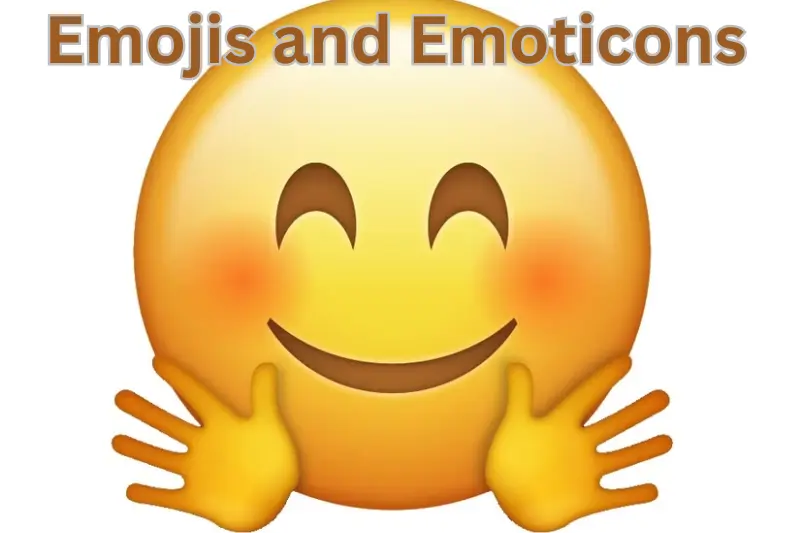
Emojis and Emoticons
- Universal language for expressing emotions
- Make text messages more emotional and clear
- Help show tone: happiness, sadness, excitement, anger, etc.
- Often used in chats, comments, stories, and captions
Stickers
- More expressive than emojis
- Used on WhatsApp, Telegram, Messenger, Instagram
- Fun, creative, and perfect for casual conversations
- Help convey mood, reactions, and humor
GIFs
- Short animated reactions
- Add humor and emotion to messages
- Popular on social media, chats, and forums
- Make conversations more engaging and entertaining
Short Videos and Reels
- TikTok, Instagram Reels, YouTube Shorts
- Allow users to express creativity in a few seconds
- Used for storytelling, trends, challenges, and lifestyle content
- Influence global culture and digital entertainment
Voice Notes
- Quick and personal way to share thoughts
- Better than text for explaining feelings or long messages
- Carry tone, warmth, and natural emotions
- Perfect for busy users who can’t type long chats
Selfies and Mobile Photography
- Help people express style, personality, and daily life
- Used for social media profiles, stories, and influencers
- Filters and editing apps enhance creativity
- Communicate mood through visual storytelling
Mobile Themes, Wallpapers & Ringtones
- Represent a user’s personal taste
- Show identity through customization
- Make mobile experience more personal and expressive
Hashtags and Captions
- Used to express thoughts and trends
- Help share ideas with a wider audience
- Improve discoverability on social platforms
- Create community and engagement around topics
Step-by-Step Guide: Mobile Expressions
Step 1 — Understand what “mobile expressions” mean
- Definition: Small digital actions (emojis, stickers, voice notes, reels, selfies, captions, themes) that express mood, personality, or intent via your phone.
- Goal: Use them to communicate more clearly, emotionally, and memorably.
Step 2 — Choose the right platform
- WhatsApp / Telegram: quick chats, voice notes, stickers.
- Instagram / TikTok / Reels: visual storytelling, short videos, selfies.
- Snapchat: playful filters, ephemeral content.
- Email / LinkedIn: stay professional — use sparingly.
- Tip: Match platform tone to the message (casual vs. formal).
Step 3 — Set the tone and audience
- Ask: Who is the receiver? (friend, family, client, audience)
- Casual audience → emojis, GIFs, voice notes, stickers.
- Professional audience → keep emoji use minimal, clear language, short videos only if relevant.
- Consistency: Keep a consistent style so people recognize your “voice”.
Step 4 — Use emojis and emoticons smartly
- Use 1–3 emojis to add tone (not replace words every time).
- Example: “See you soon ” — friendly; “Congrats! ” — celebratory.
- Don’t mix ambiguous emojis in formal contexts.
- Tip: Learn a few universal emojis (smile, thumbs up, heart, clap).
Step 5 — Choose stickers and GIFs for impact
- Choose stickers/GIFs that match emotion and culture of receiver.
- Use for quick reactions (laugh, wow, agree).
- Don’t overuse — too many GIFs can dilute the message.
Step 6 — Record effective voice notes
- Keep voice notes short (20–60 seconds) when possible.
- Start with a one-line summary: “Quick update — I’m running late.”
- Speak clearly; avoid noisy background.
- Use voice notes for tone-heavy or complex topics.
Step 7 — Create short videos & reels
- Hook in first 2–3 seconds.
- Keep videos 15–60 seconds for social platforms.
- Use subtitles — many watch without sound.
- Close with a simple CTA: “Like, follow, or comment your thought.”
- Tip: Natural, authentic videos work better than overproduced ones.
Step 8 — Take expressive selfies and photos
- Lighting: natural light is best.
- Framing: head + shoulders for personal portrait; wider for environment.
- Edit lightly — preserve authenticity.
- Use filters to enhance, not to hide.
- Caption: Add 1–2 lines that explain feeling or context.
Step 9 — Customize phone (themes, wallpaper, ringtones)
- Select wallpapers, ringtones, and widgets that reflect mood or brand.
- Keep notifications organized to avoid accidental oversharing (use “do not disturb” or silent groups).
Step 10 — Craft captions, hashtags & short text
- Caption formula: Hook + context + emotion + CTA.
- Use 1–3 relevant hashtags for discoverability (on platforms where hashtags matter).
- Keep captions short and readable — break long text into short lines.
Step 11 — Be respectful, clear, and culturally aware
- Avoid ambiguous or offensive emojis/content.
- Consider cultural differences in emoji meaning.
- When in doubt, use plain language or ask for clarification.
Step 12 — Protect privacy & be safe
- Don’t share sensitive info in public posts or ephemeral messages that can be saved.
- Check privacy settings for each app (who can see your stories/posts).
- Think before sharing someone else’s photo or private message.
Step 13 — Test & learn from feedback
- Notice which messages get more replies, reactions, or shares.
- A/B test: try two caption styles or two thumbnail images and compare engagement.
- Ask friends or followers for quick feedback.
Step 14 — Keep it accessible
- Add captions/subtitles to videos.
- Use clear language and avoid tiny text in images.
- Describe images briefly if sharing in groups where accessibility matters.
Common FAQs About Mobile Expressions
1. What are mobile expressions?
Examples include emojis, stickers, GIFs, voice notes, selfies, short videos, captions, and even mobile themes.
2. Why are mobile expressions important?
Because they make communication clearer, more emotional, and more fun.
They help people connect better and understand each other more naturally.
3. Are emojis the same as mobile expressions?
Mobile expressions include many other elements like GIFs, videos, voice notes, and more.
4. Do mobile expressions make communication better?
They help show tone, mood, and feelings that plain text sometimes cannot express.
5. Can mobile expressions be used in professional communication?
Use fewer emojis, avoid memes or GIFs, and keep your tone respectful and clear.
6. Are short videos and reels also mobile expressions?
Short videos are one of the most powerful mobile expressions because they show personality and creativity.
7. Why do people use stickers and GIFs?
A sticker or GIF can quickly show reactions like laughing, surprise, or agreement.
Conclusion
Mobile expressions have quietly become one of the most powerful elements of modern communication. What started as simple emojis has now grown into a complete visual language that includes stickers, GIFs, reactions, voice notes, and even AI generated icons. These tools help us express emotions that plain text often fails to capture. In a world where most conversations happen on smartphones, mobile expressions make our messages more human, more relatable, and easier to understand.
They do more than just add fun or color. They reduce miscommunication, build stronger online connections, and speed up daily conversations. For businesses and creators, mobile expressions improve engagement and make content more appealing to audiences. Whether someone is chatting with friends, interacting on social media, or communicating with customers, mobile expressions help convey tone, mood, and intention instantly.
As digital communication continues to evolve, the importance of mobile expressions will only increase. Learning how to use them properly ensures better communication, improved user experience, and stronger online relationships. In short, mobile expressions are no longer optional—they are a central part of how we share ideas and emotions in the mobile first world.
