

Introduction
Smart building technology is transforming the way we design, manage, and live in buildings. From offices and shopping malls to hospitals and residential apartments, smart buildings are becoming more common across the world. These buildings use advanced technologies like the Internet of Things, artificial intelligence, automation systems, and data analytics to improve comfort, safety, energy efficiency, and overall building performance.
In today’s fast-changing world, rising energy costs, environmental concerns, and the need for better space management have increased the demand for smart building solutions. Smart building technology is not just a trend; it is a long-term solution for creating sustainable, cost-effective, and user-friendly buildings.
In this article, we will explore what smart building technology is, how it works, its key components, benefits, real-world applications, challenges, and future trends.
What Is Smart Building Technology
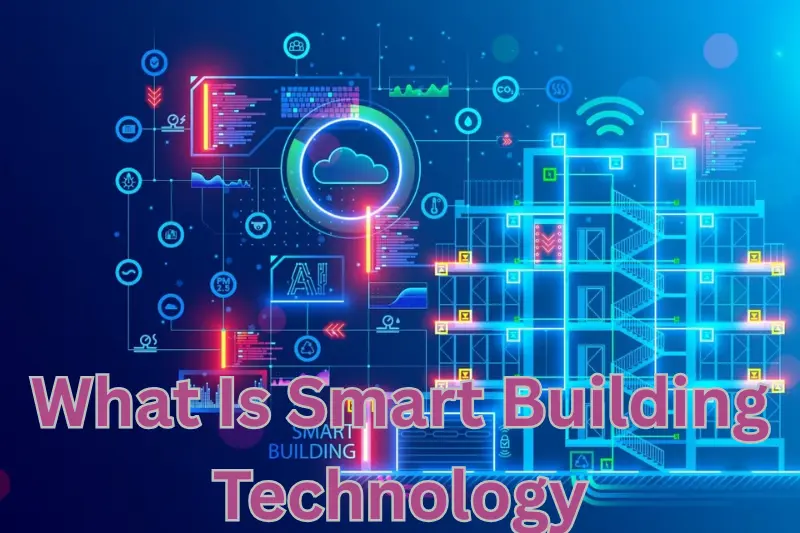
- Smart building technology refers to the use of connected systems, sensors, software, and automation tools that work together to monitor, control, and optimize building operations. These systems collect real-time data and make intelligent decisions to improve efficiency and comfort without constant human intervention.
- Unlike traditional buildings, where systems like lighting, heating, security, and ventilation operate separately, smart buildings integrate all systems into a centralized platform. This allows building managers to control everything from one dashboard.
How Smart Building Technology Works
- Smart building technology works through a combination of hardware, software, and communication networks. Sensors installed throughout the building collect data related to temperature, humidity, lighting levels, air quality, occupancy, and energy usage.
- This data is sent to a central management system, often cloud-based, where it is analyzed using intelligent algorithms. Based on this analysis, the system automatically adjusts building operations such as lighting brightness, air conditioning levels, or security alerts.
- For example, if a room is empty, the system can automatically turn off lights and reduce cooling to save energy. If air quality drops, ventilation systems can respond instantly.
Key Components of Smart Building Technology
Internet of Things Sensors
- IoT sensors are the backbone of smart building technology. These sensors monitor various parameters such as motion, temperature, light, smoke, and energy usage. They provide real-time data that helps the system make accurate decisions.
Building Management System
- A building management system is a centralized platform that controls and monitors all building systems. It allows facility managers to view performance data, receive alerts, and manage operations from one place.
Automation and Control Systems
- Automation systems enable buildings to operate with minimal human input. Lighting, HVAC, elevators, and security systems can automatically respond to changing conditions based on predefined rules.
Artificial Intelligence and Data Analytics
- AI and data analytics help analyze large amounts of data collected from sensors. These technologies identify patterns, predict maintenance needs, and optimize energy usage for better performance.
Cloud Computing
- Cloud-based platforms store and process building data securely. They allow remote access, scalability, and easy system updates, making smart buildings more flexible and efficient.
Benefits of Smart Building Technology
Energy Efficiency and Cost Savings
- One of the biggest advantages of smart building technology is reduced energy consumption. Automated systems optimize heating, cooling, and lighting based on actual usage, which significantly lowers utility bills.
Improved Comfort and Productivity
- Smart buildings create comfortable environments by maintaining optimal temperature, lighting, and air quality. In offices, this leads to higher employee productivity and satisfaction.
Enhanced Safety and Security
- Advanced security systems with smart cameras, access control, and real-time alerts improve building safety. Fire detection, emergency response, and surveillance systems become more reliable.
Predictive Maintenance
- Smart building technology can predict equipment failures before they happen. This reduces downtime, prevents costly repairs, and extends the lifespan of building systems.
Environmental Sustainability
- By reducing energy waste and carbon emissions, smart buildings support sustainable development goals. They play a key role in creating eco-friendly urban environments.
Applications of Smart Building Technology
Commercial Buildings
- Office buildings use smart technology to manage workspaces, reduce energy costs, and improve employee experience. Smart meeting rooms, occupancy tracking, and automated lighting are common features.
Residential Buildings
- Smart homes and apartments use smart building technology for security, energy management, and convenience. Residents can control lighting, temperature, and appliances through mobile apps.
Healthcare Facilities
- Hospitals use smart systems to maintain air quality, manage energy, track equipment, and enhance patient safety. Smart buildings help create healthier environments for patients and staff.
Educational Institutions
- Schools and universities use smart technology to manage classrooms, monitor attendance, reduce energy usage, and improve learning environments.
Industrial and Manufacturing Facilities
- Factories use smart building solutions to optimize energy usage, ensure safety compliance, and improve operational efficiency.
Role of Smart Building Technology in Smart Cities
- Smart building technology is a key element of smart cities. When buildings are connected to city-wide systems, they help optimize energy distribution, traffic management, and public safety.
- For example, smart buildings can share energy usage data with power grids to balance electricity demand. They can also integrate with smart transportation systems and emergency services.
Challenges of Smart Building Technology
High Initial Investment
- The upfront cost of installing smart systems can be high, especially for older buildings. Sensors, software, and infrastructure upgrades require significant investment.
Data Security and Privacy Concerns
- Smart buildings collect large amounts of data, which raises concerns about data security and privacy. Protecting this data from cyber threats is a major challenge.
System Integration Issues
- Integrating different technologies and legacy systems can be complex. Compatibility issues may arise if systems are not designed to work together.
Need for Skilled Professionals
- Managing and maintaining smart building systems requires skilled professionals with technical knowledge. Lack of expertise can slow down adoption.
Smart Building Technology and EEAT Principles
Experience
- Smart building technology is based on real-world applications and proven use cases. Many organizations have successfully implemented smart systems to improve efficiency and comfort.
Expertise
- The development of smart building solutions involves experts in engineering, IT, energy management, and data science. Their knowledge ensures reliable and effective systems.
Authoritativeness
- Governments, global organizations, and leading technology companies support smart building initiatives. Industry standards and certifications add credibility to these technologies.
Trustworthiness
- Reliable data handling, transparent systems, and secure networks help build trust among users and stakeholders.
Future Trends in Smart Building Technology
AI-Driven Buildings
- Artificial intelligence will play a bigger role in decision-making, allowing buildings to learn from user behavior and adapt automatically.
Digital Twins
- Digital twins are virtual models of buildings that help simulate performance, predict issues, and improve planning.
Renewable Energy Integration
- Smart buildings will increasingly use solar panels, energy storage systems, and smart grids to reduce reliance on traditional power sources.
Voice and Gesture Control
- Voice assistants and gesture-based controls will make building interaction more natural and user-friendly.
Net-Zero Energy Buildings
- The future of smart building technology aims toward net-zero energy buildings that produce as much energy as they consume.
How Businesses Can Adopt Smart Building Technology
- Businesses should start by assessing their building needs and energy usage. Working with experienced technology providers helps ensure proper system design and integration.
- Gradual implementation, starting with energy management or security systems, can reduce costs and risks. Training staff and ensuring cybersecurity measures are also essential.
Frequently Asked Questions (FAQs) about Smart Building Technology
1. What is smart building technology?
2. How does smart building technology save energy?
3. Can smart building technology improve safety and security?
4. What types of buildings can use smart building technology?
5. Is smart building technology expensive to install?
6. How does AI contribute to smart buildings?
7. Are smart buildings eco-friendly?
Conclusion
Smart building technology is revolutionizing the way we design, manage, and experience buildings. By seamlessly integrating automation, real-time data analytics, and intelligent systems, smart buildings not only improve operational efficiency but also enhance safety, comfort, and sustainability for occupants. They allow building managers to make informed decisions, reduce energy consumption, and respond proactively to potential issues through predictive maintenance.
While the initial investment and cybersecurity concerns may pose challenges, the long-term advantages—ranging from cost savings and environmental benefits to improved occupant experience—far outweigh these drawbacks. Smart buildings are no longer a futuristic concept; they are becoming a practical solution for creating sustainable, energy-efficient, and user-friendly spaces.
As technology continues to advance, future smart buildings will become even more adaptive, responsive, and environmentally conscious. Innovations like AI-driven automation, renewable energy integration, and digital twin modeling are set to redefine modern architecture and urban planning. By embracing smart building technology today, businesses, homeowners, and governments can take a significant step toward a smarter, greener, and more connected future—shaping cities and communities that are safer, more efficient, and better equipped to meet the needs of a rapidly evolving world.
