

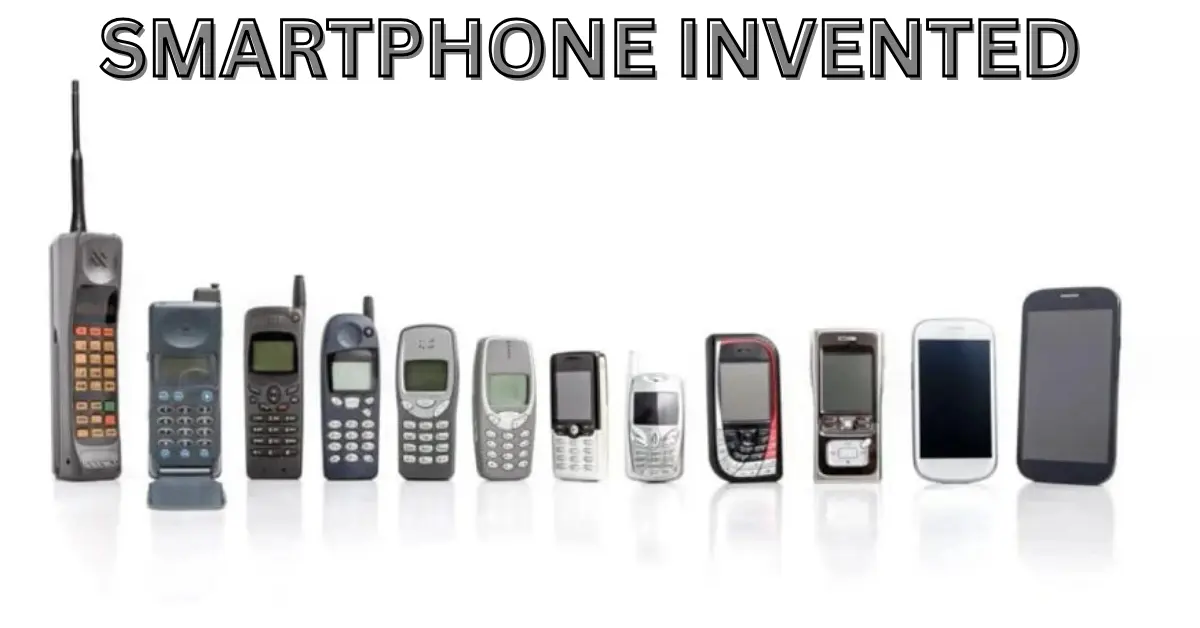
Introduction
Smartphones have become an essential part of our lives. We use them for communication, entertainment, online shopping, learning, photography, social media, and even business management. But have you ever wondered when smartphones were invented and how they became so advanced?
The journey of smartphones is fascinating. It started with simple communication devices and slowly transformed into powerful mini-computers that fit in our pockets. In this article, we will explore how smartphones were invented, the key people behind the innovation, important milestones, and how smartphones changed the world.As technology continued to evolve, so did the expectations of users. People wanted more than just calling and texting—they wanted a device that could help them stay connected to the world at all times. This need pushed companies to innovate, experiment, and introduce new features that would redefine what a mobile device could do. From the ability to send emails to browsing the internet, and from capturing photos to downloading apps, every new development brought smartphones closer to the powerful tools we rely on today.
What makes the history of smartphones even more interesting is the competition among brands that shaped the industry. Giants like IBM, Nokia, BlackBerry, Apple, and Google each contributed unique ideas that moved smartphone technology forward. Whether it was the introduction of touchscreens, mobile operating systems, high-quality cameras, or app stores, every innovation played an important role in transforming smartphones into the intelligent devices we now carry everywhere.
Today, smartphones are more than communication gadgets—they are vital tools for daily life. They help us work smarter, stay informed, manage our schedules, and even control smart home devices. Their evolution reflects how far technology has come and how deeply it has become a part of modern living.
What Exactly Is a Smartphone?
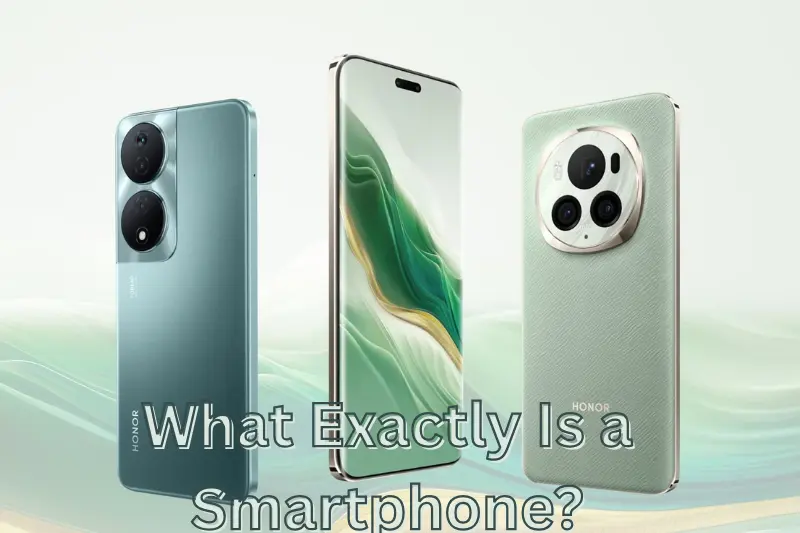
A smartphone is a mobile device that combines the features of a traditional phone with the advanced capabilities of a computer. A smartphone usually includes:
- Touchscreen interface
- Internet access
- Operating system (Android, iOS, etc.)
- Apps for productivity and entertainment
- Camera
- Multimedia support
- GPS and sensors
- Before we understand smartphone invention, we must know the difference between a mobile phone and a smartphone.
Mobile Phone vs Smartphone
- Feature
- Mobile Phone
- Smartphone
- Internet
- Limited or no internet
- High-speed internet
- Apps
- Basic apps only
- Advanced applications
- Camera
- Low quality
- High-quality professional cameras
- Functions
- Calling and texting
- Entertainment, gaming, browsing, learning
When Was the First Smartphone Invented?
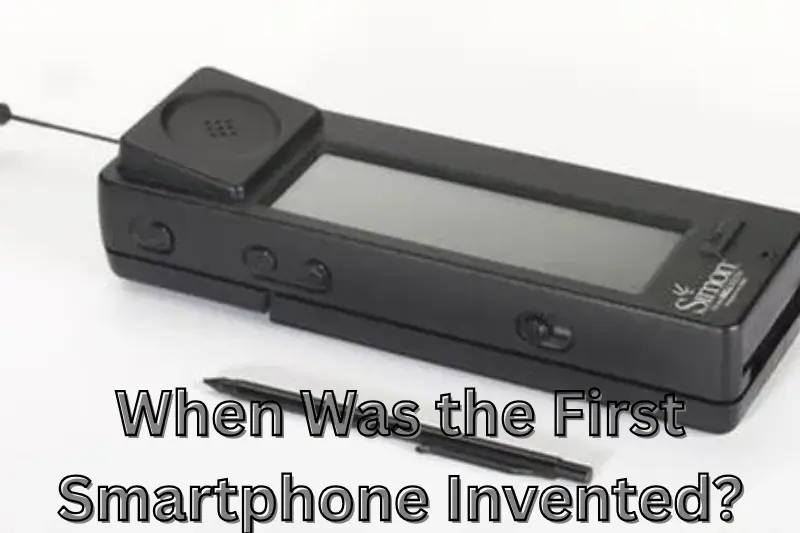
- The first smartphone was invented in 1992 by IBM. It was called IBM Simon Personal Communicator (IBM Simon). It became publicly available in 1994.
IBM Simon was the world’s first smartphone because it combined:
- Touchscreen
- Fax
- Calendar
- Address book
- Apps
- Although it looked bulky and heavy, it was the first time a device offered both phone capabilities and digital features — the true start of smartphones.
Who Invented the First Smartphone?
- The first smartphone was invented by IBM (International Business Machines Corporation), but the main designer behind IBM Simon was Frank Canova, an engineer at IBM.
- During a trade show in 1992, IBM presented the prototype, surprising the tech world with a futuristic device that was far ahead of its time.
Evolution of Smartphones Over the Years
Smartphones evolved in different stages. Let’s explore the major turning points that shaped today’s modern devices.
The Early Years (1992–2000)
After IBM Simon, several other innovative companies joined the race:
Nokia
- Nokia introduced some of the earliest web-enabled phones. Their models like Nokia 9000 Communicator (1996) were powerful and business-focused.
BlackBerry
BlackBerry entered in 1999 with strong email-focused phones that became extremely popular with professionals. Many people considered BlackBerry phones as the “first true smartphones” because of their advanced communication features.
The Rise of Modern Smartphones (2000–2010)
This decade completely changed the smartphone world.
Sony Ericsson & Palm
- These brands introduced devices with improved touchscreens, internet browsing, and multimedia.
Windows Phones
- Microsoft launched early smartphones with touchscreens and office productivity features, but they couldn’t compete with the upcoming giants.
The Game Changer: Apple iPhone (2007)
Apple launched the first iPhone in 2007, which changed everything.
It introduced:
- Multi-touch screen
- User-friendly interface
- Faster internet
- High-quality apps
- The App Store launch in 2008 started a new era of mobile innovation.
Android Takes Over (2008–Present)
Google released the first Android phone in 2008: HTC Dream (G1).
Android changed the market by:
- Offering open-source technology
- Making smartphones affordable
- Allowing manufacturers like Samsung, Huawei, Xiaomi, and Oppo to create powerful devices
- Now Android is the most widely used mobile operating system in the world.
How Smartphones Changed Our World
Smartphones didn’t just improve communication — they transformed everyday life.
Communication Revolution
- From calls to video meetings, smartphones made global communication easier and faster.
Mobile Internet Access
- Smartphones brought the entire internet to our pockets.
3. Social Media Growth
- Platforms like Facebook, Instagram, TikTok, and YouTube became accessible anywhere.
Digital Payments
- Mobile banking, e-wallets, and online shopping became everyday habits.
Entertainment Hub
- Movies, music, games, and streaming are available instantly.
Learning and Skill Development
- Millions of students use smartphones to study, watch tutorials, and take online classes.
Future of Smartphones
Smartphones are evolving every year. The future may include:
- Foldable and rollable screens
- AI-powered personal assistants
- More powerful cameras
- Holographic displays
- Gesture-based controls
- Better battery technology
- Artificial Intelligence will make smartphones even smarter and more personalized.
FAQs
1. Who invented the first smartphone?
2. When were smartphones invented?
3. What was the first smartphone in history?
4. Which phone changed the smartphone industry?
5. Which operating system is most popular?
6. What did early smartphones look like?
7. Why was the first smartphone important?
8. Which company made smartphones popular worldwide?
9. How did smartphones change everyday communication?
10. What features made smartphones smarter over time?
11. How will smartphones evolve in the future?
Conclusion
The invention of smartphones completely changed the world. What began as a simple communication device in 1992 has evolved into a powerful tool for work, education, entertainment, photography, and social connection. Today’s smartphones are smarter, faster, and more advanced than ever before—and the journey continues.
Understanding how smartphones were invented helps us appreciate the incredible technology we use every day. As innovation continues, smartphones will become even more intelligent and essential in our lives.he invention of smartphones completely changed the world in ways we could have never imagined. What started as a simple communication device in 1992 with the release of the first smartphone quickly evolved into one of the most powerful and important tools of modern life. Today, smartphones are not just gadgets—they are essential digital companions that help us connect, learn, work, and express ourselves. Their journey from a bulky IBM Simon to today’s sleek, AI-powered devices shows how fast technology has advanced in the last three decades.
Understanding how smartphones were invented allows us to appreciate the brilliant minds and innovative ideas behind this revolutionary technology. The early smartphone creators had a vision of combining communication with computing, and that idea transformed into a global technological movement. As companies like Apple, Google, Samsung, Nokia, and others continued to innovate, the smartphone became smarter, faster, and more user-friendly. The evolution from physical keyboards to touchscreens, from basic apps to advanced AI assistants, and from low-quality cameras to professional-grade photography shows how rapidly the smartphone industry has grown.
Smartphones have also transformed the way society functions. They changed communication forever, making it possible to talk, text, video call, and message people anywhere in the world within seconds. They made the internet accessible to everyone, turning information into something that can be reached anytime, anywhere. Students use smartphones to study and learn new skills, while professionals use them for meetings, emails, and work on the go. Smartphones have also become powerful entertainment hubs, allowing us to watch movies, listen to music, play games, and create digital content without needing additional devices.
